
The Placebo Effect Is Not Fake: How Expectation Rewires What You Actually Feel
Everyone thinks "placebo effect" means "nothing happened, the patient just imagined it." That's backwards. Something happened. Brain scans show it. The mechanism is real, it's measurable, and it's a little unsettling once you actually look at it — your brain is running its own in-house pharmacy, and it doesn't need your permission to dispense.
The clinical definition is simple: a placebo is an inert treatment — a sugar pill, a saline injection, a sham procedure — that produces a real physiological effect purely because the patient expects it to work. Pain drops. Nausea eases. In some studies, Parkinson's tremors measurably improve. None of it should happen, chemically speaking. And yet.
The pill color experiment nobody believes until they see it
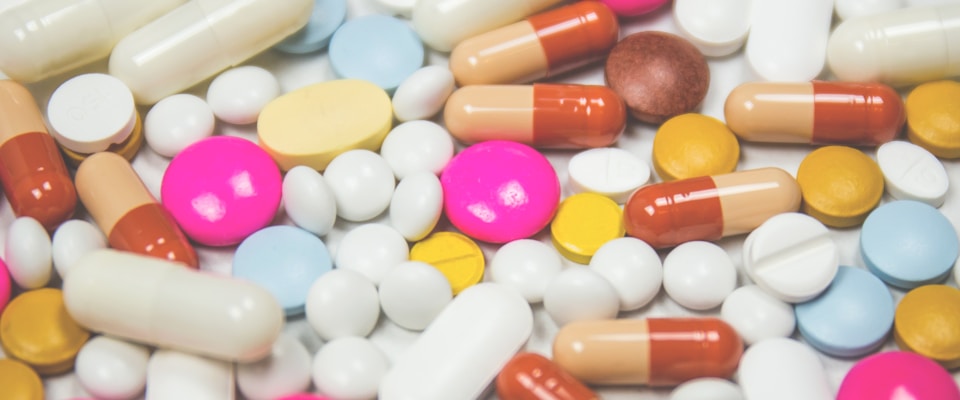
In a widely cited pharmacology study, researchers gave people inert pills for anxiety and varied only the color and shape. Blue pills produced more sedative effects. Red and orange pills read as more stimulating. Same inert sugar, same dose, same delivery — different result, because "blue" reads as calming across most Western cultures and "red" reads as alert. (Somewhere, a pharmaceutical marketing department is taking very detailed notes.)
Capsules outperform tablets. Two pills outperform one. An injection outperforms a pill, even when the injection is just saline. None of these variables touch the actual chemistry. All of them touch expectation — and expectation, it turns out, is doing real physiological work, not just coloring your mood about the treatment.
Your brain has its own pharmacy, and it's better stocked than you'd think
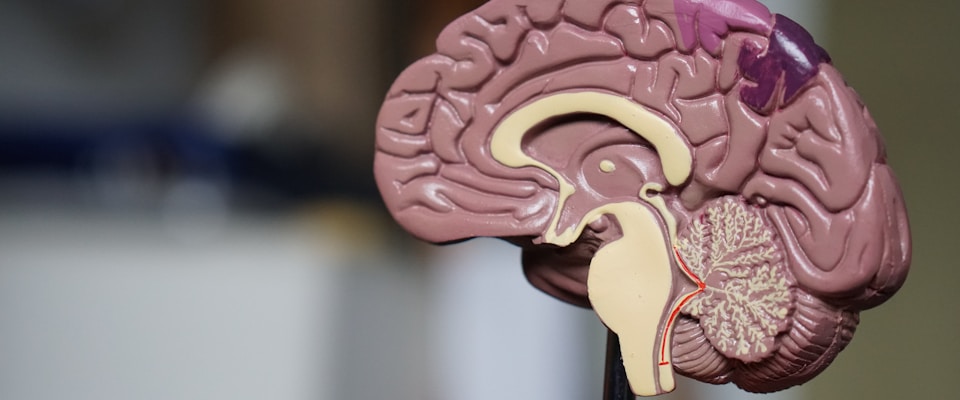
Here's the actual mechanism, not the hand-wavy version: when you expect pain relief, your brain releases endogenous opioids — your own internally-manufactured painkillers — into the same pathways a real opioid would activate. Researchers demonstrated this directly by giving people a placebo painkiller, then injecting naloxone, a drug that blocks opioid receptors. The placebo effect vanished immediately. That's not a metaphor for "mind over matter." That's a real molecule, dispensed by your own brain, doing real receptor-level work — and canceled by the same antagonist that would cancel actual morphine.
Dopamine runs a similar play in Parkinson's research: patients given a placebo they believed was their medication showed measurable increases in dopamine in exactly the brain regions Parkinson's medication targets. The belief triggered the release. The release is not imaginary. Only the pill was.
Where it works, and where it very much does not
This is the part that gets left out of the "positive thinking cures everything" version of this story, and it matters more than the flashy pill-color findings: placebos reliably help with pain, nausea, fatigue, anxiety, and subjective symptom severity. They do essentially nothing for objective, structural conditions — a placebo will not shrink a tumor, set a bone, or clear a bacterial infection. The effect lives in systems your brain has some regulatory reach into (pain perception, nausea, mood), not in systems governed by biology your expectations can't touch.
This distinction matters because it's exactly where "just think positive and you'll heal" advice goes off the rails. Expectation can turn down your brain's pain volume. It cannot debug a broken hip. Confusing the two is how people delay real treatment in favor of vibes — please don't do that, this is not the article giving you permission to skip the antibiotics.

The ritual is doing more work than the pill
Doctors who deliver a treatment with warmth, eye contact, and stated confidence produce measurably better patient outcomes than doctors who deliver the identical treatment flatly and hurriedly — even when the treatment itself, drug and dose, is completely identical. The white coat, the confident tone, the four extra minutes of eye contact: none of it is fluff. It's dosage. Bedside manner isn't a soft skill bolted onto medicine. It's an active ingredient that happens to not show up on the label.
I once watched two people get the same over-the-counter pain reliever from two different pharmacists — one handed it over silently, the other said "this works well for most people, you should feel it easing off within twenty minutes." Same box, same dose, same shelf. Only one of them got a timeline attached to the expectation. Guess which one reported feeling better faster.
This is also, incidentally, why "fake it till you make it" has more going for it than the eye-roll it usually gets. It's not that confidence rewrites reality. It's that expectation genuinely changes measurable physiological output in the narrow set of systems your brain regulates — and confidence is one of the more reliable ways to set that expectation, in yourself or in someone you're treating.

What to actually do with this
You cannot placebo yourself out of a real injury, and you shouldn't try — that's the one hard boundary here. But for pain, stress, and recovery-adjacent symptoms your brain has real regulatory reach into, the ritual around a treatment is not wasted effort. A consistent routine, done with genuine expectation that it'll help — a specific stretch, a specific breathing pattern, a specific evening wind-down — recruits the same expectation-driven mechanism the pill-color studies exploited, minus the ethically questionable part where nobody tells you it's inert.
None of this means your pain isn't real, or that you're gullible for responding to it. It means the line between "psychological" and "physiological" is a lot blurrier than the phrase "it's just placebo" implies — and once you know the mechanism, you can stop treating that word as an insult.